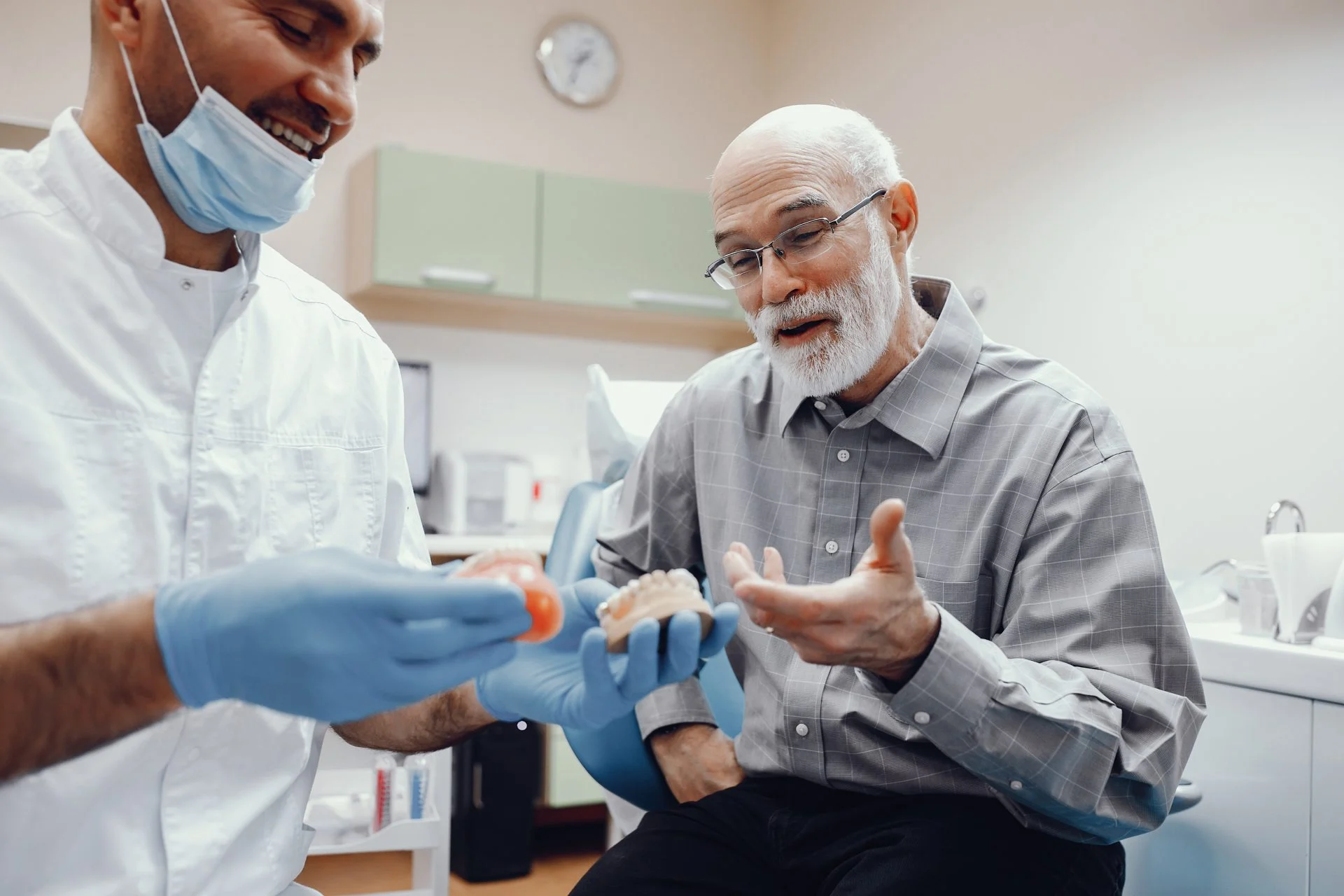

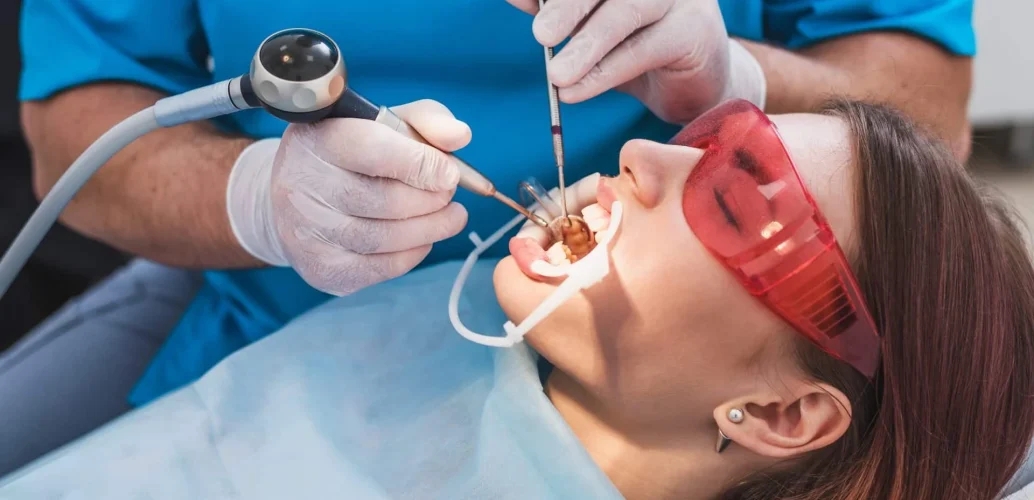
When you schedule your routine dental appointment, you might wonder what type of cleaning you’ll receive. While both regular dental cleanings and deep cleanings focus on removing plaque and tartar, they serve different purposes and address varying levels of oral health needs. Understanding the difference between these two procedures can help you better prepare for your visit and maintain optimal oral health.
At North End Dental in Colorado Springs, we believe that informed patients make the best decisions about their dental care. Let’s explore the key differences between dental cleaning vs deep cleaning so you know what to expect during your next appointment.
What Is a Regular Dental Cleaning?
A regular dental cleaning, also called prophylaxis, is the standard cleaning most patients receive during their routine six-month checkups. This preventive procedure focuses on maintaining healthy teeth and gums by removing plaque and tartar buildup from above the gumline.
During a standard cleaning, your dental hygienist will:
- Remove plaque and tartar from tooth surfaces
- Polish your teeth to remove surface stains
- Floss between your teeth
- Apply fluoride treatment if needed
- Check for signs of cavities or gum disease
Regular cleanings typically take 30 to 45 minutes and are generally comfortable for most patients. These appointments are essential for preventing tooth decay and gum disease before they become more serious problems.
What Is a Deep Cleaning?
A deep cleaning, medically known as scaling and root planing, is a more intensive procedure designed to treat gum disease. Unlike regular cleanings that focus on the visible portions of your teeth, deep cleanings address bacteria and tartar buildup below the gumline.
This therapeutic procedure involves two main steps:
Scaling: Your dental hygienist removes plaque and tartar from the tooth surfaces and beneath the gums, reaching into the pockets that have formed around your teeth due to gum disease.
Root Planing: The roots of your teeth are smoothed to help your gums reattach properly and prevent future bacterial accumulation.
Deep cleanings often require local anesthesia to ensure patient comfort and may be completed over multiple appointments, focusing on one section of your mouth at a time.
Key Differences Between Dental Cleaning vs Deep Cleaning
Purpose and Treatment Goals
Regular dental cleanings are preventive measures designed to maintain good oral health and catch problems early. Deep cleanings are therapeutic treatments specifically used to treat existing gum disease and prevent its progression.
Areas of Focus
Standard cleanings address the visible surfaces of your teeth and the area just below the gumline. Deep cleanings target the deeper pockets around your teeth where bacteria and tartar have accumulated due to gum disease.
Duration and Frequency
Regular cleanings take about 30 to 45 minutes and are typically scheduled every six months. Deep cleanings require more time—often 1 to 2 hours per session—and may need to be split across multiple appointments. Following a deep cleaning, patients usually return for more frequent monitoring appointments.
Comfort Level
Most patients experience minimal discomfort during regular cleanings. Deep cleanings may cause some sensitivity, which is why local anesthesia is often used to ensure patient comfort throughout the procedure.
When Do You Need a Deep Cleaning?
Your dentist at North End Dental may recommend a deep cleaning if you show signs of gum disease, including:
- Gums that bleed easily during brushing or flossing
- Persistent bad breath
- Red, swollen, or tender gums
- Gums that have pulled away from your teeth
- Loose or shifting teeth
- Pockets deeper than 4mm between your teeth and gums
Deep cleanings are most effective when gum disease is caught in its early to moderate stages. Advanced cases may require additional treatments or referral to a periodontal specialist.
Recovery and Aftercare
After a regular cleaning, you can resume normal activities immediately. Your teeth may feel smoother and cleaner, and you might notice improved breath freshness.
Deep cleaning recovery involves more consideration. You may experience some sensitivity and minor bleeding for a few days. Your dental team will provide specific aftercare instructions, which typically include gentle brushing, salt water rinses, and avoiding certain foods temporarily.
Making the Right Choice for Your Oral Health
The type of cleaning you receive depends on your current oral health status and your dentist’s assessment. Regular cleanings help maintain healthy smiles, while deep cleanings provide necessary treatment for gum disease.
At North End Dental in Colorado Springs, our experienced team evaluates each patient’s individual needs to determine the most appropriate treatment plan. We’re committed to helping you achieve and maintain optimal oral health through personalized care and patient education.
Don’t wait to address your dental health needs. Schedule your appointment with North End Dental today to determine whether a regular cleaning or deep cleaning is right for you. Early intervention always leads to better outcomes and more comfortable treatments.